🌾 Food 🌊 Water

Sustainable Agriculture

Climate-smart farming practices that protect soils, water, and biodiversity while strengthening food sovereignty.

📋 Description

The Sustainable Agriculture project promotes agro-ecological and climate-smart farming practices across rural Madagascar to strengthen food sovereignty, improve nutritional security, and reduce the environmental impact of agriculture. By integrating water management, soil conservation, and biodiversity protection into farming systems, the project supports communities in adapting to climate change while producing sufficient, nutritious food in a sustainable manner.

🎯 Objectives

  • Promote agro-ecological farming methods that reduce chemical inputs and protect soil health
  • Integrate water-efficient irrigation and water harvesting techniques into farming practices
  • Support the conservation and use of local seed varieties and traditional knowledge
  • Improve smallholder farmers' access to markets and sustainable value chains
  • Build farmer resilience to climate shocks through diversified and integrated farming systems

Achievements

  • Trained farmer groups in agro-ecological and climate-smart techniques across multiple regions
  • Established community seed banks to preserve local biodiversity and food sovereignty
  • Facilitated access to sustainable inputs and tools for smallholder farmers
  • Documented indigenous agricultural knowledge and integrated it with modern techniques
  • Supported the development of short supply chains linking farmers to local markets

🌟 Expected Results

  • Widespread adoption of agro-ecological practices among smallholder farmers
  • Improved food security and nutritional diversity in target communities
  • Reduced soil degradation and water use in agricultural areas
  • Strengthened local seed systems and preservation of agrobiodiversity
  • Increased climate resilience of farming households across Madagascar
Project 4 – What have we done so far?

If you want us to implement a tailored sustainable agriculture system prototype in your community, do not hesitate to reach out! We are all ears.

Discover our sustainable agriculture prototypes, aiming to regenerate the soil by mimicking Mother Earth's functionality.

Sustainable Agriculture · Prototype
Prototype 1
Visual comparison
Before
After
Description

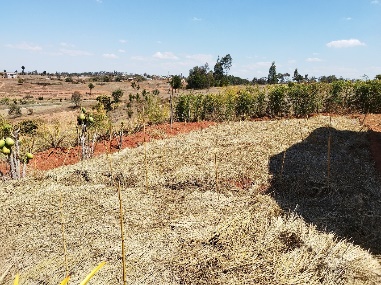
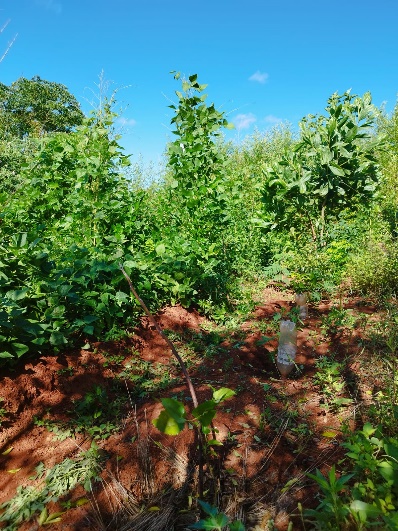
This 250 m2 syntropic agroforestry plot was implemented in March 2021 (rainy season in Madagascar ends in April but the historical data showcased rainfall ended in March) to test the resilience of an agroforestry system under climate variability. During the test, no watering was permitted to assess its full potential. After one year, the survival rate was 80%, which demonstrated that this agroforestry system is resilient to climate variability and can be replicated to ensure forest restoration practice while regenerating the soil. It is important to note that this plot had not had any management for two years after the first year of its implementation, turning it into a wild system guided by nature.

Location
Moramanga, Alaotra Mangoro, Madagascar
Implementor
Tahiry Andriantsihoarana
Sustainable Agriculture · Prototype
Prototype 2
Visual comparison
Before
After
Description

Description: In 2024, we implemented another 300m2 plots each to test how syntropic agroforestry can help regenerate degraded land. For that we started from the pioneer trees in order to enable the first placenta. No inputs, such as fertilizer, were used, putting the system really at its own capabilities to regenerate the soil and be united as one linked system. By choosing local species, results are showing starting from 3 months after implementation. It is important to note that these systems were implemented in May 2024, during the start of the dry season, and still yield such results.

Location
Moramanga, Alaotra Mangoro, Madagascar
Implementor
Tahiry Andriantsihoarana
Sustainable Agriculture · Prototype
Prototype 3
Visual comparison
Before
After
Description

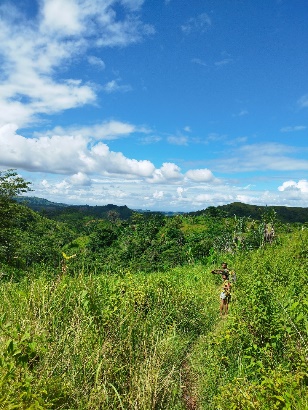
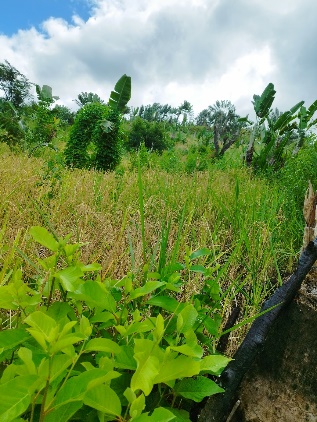
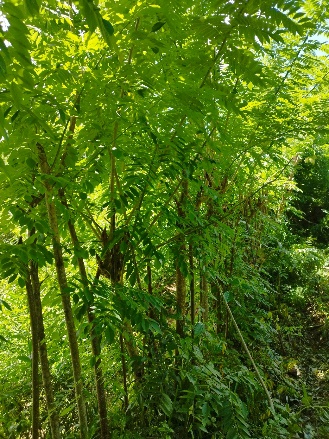
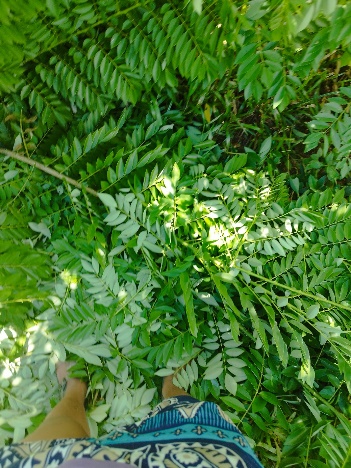
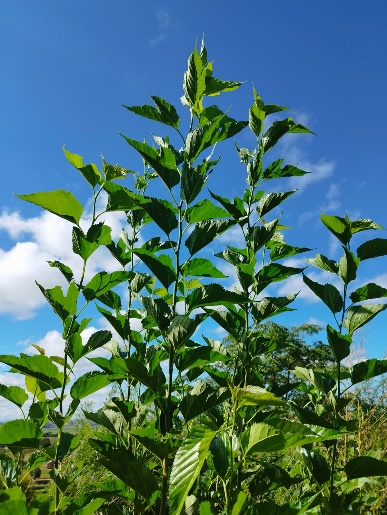
• In the eastern part of Madagascar, many smallholder farmers do not realize that they are already practicing a form of agroforestry combined with traditional agriculture techniques such as “Tavy”, which involves cutting down existing trees and shrubs and burning them into ashes to cultivate rice. On our project site, we are transforming over 1 hectare into a syntropic agroforestry system. We are carefully selecting local tree species capable of sustaining long-term biomass production, which can be “chopped and dropped” to naturally regenerate the soil. Among these, we discovered a fast-growing tree locally known as Bonara Ambazaha/Moramaniry, which could serve as a sustainable alternative to species like Tephrosia vogelii. • Our goal is to teach local smallholder farmers how to increase production while regenerating the soil through intelligent system management. By combining traditional knowledge with agroecological techniques, we aim to create a productive and resilient landscape that benefits both people and nature.

Location
Ranomafana Est, Antsinanana, Madagascar
Implementor
Tahiry Andriantsihoarana
Sustainable Agriculture · Prototype
Prototype 4
Visual comparison
Before
After
Description

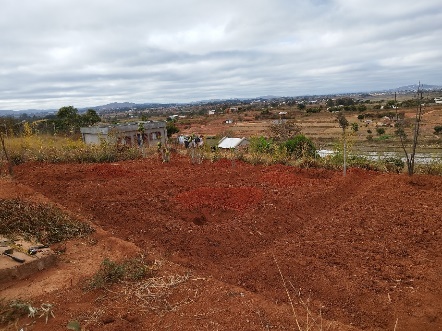
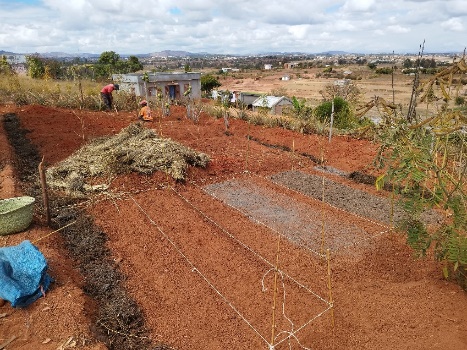
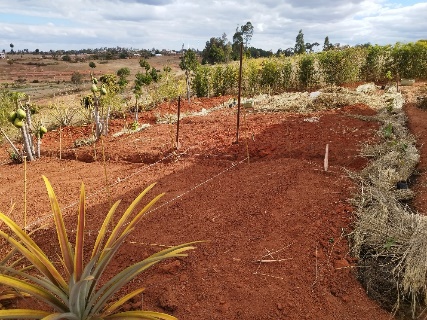
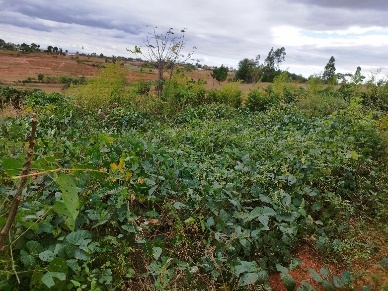
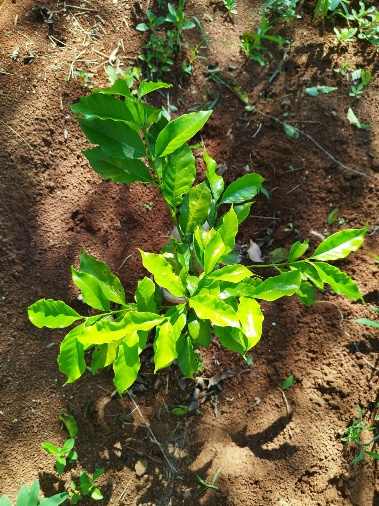
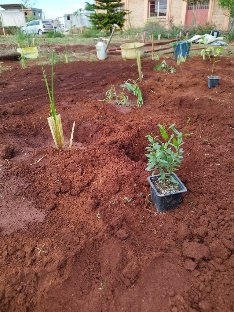
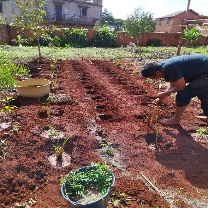
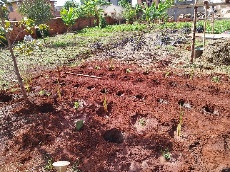
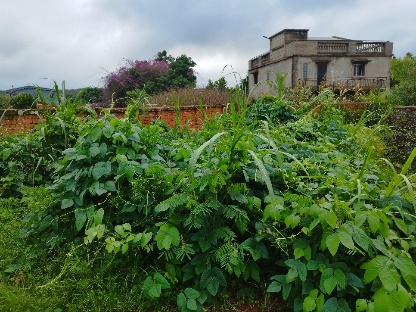
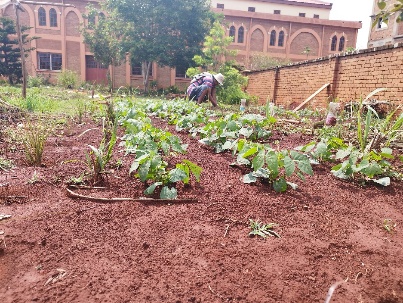
- A local farmer gave us around 200 m² of land to be turned into a simple agroforestry system. In the middle of the dry season in August 2024, we started this plot by using locally available inputs. The first objective was to regenerate the soil through different means, such as nitrogen-fixing plants. For the trees, we selected from exotic to indigenous species. We have Acacia mangium, Cinnamomum camphora var. ravintsara, Melia azedarach, Persea americana, Mangifera indica, and Gliricidia sepium. After 3 months, the nitrogen-fixing plants had covered all the area, making it a living ground cover. Later, it was chopped and dropped onto the soil to feed it. - The local farmer asked us to use the crop bands to grow green beans, and we accepted thinking they would use our technique. But unfortunately, not knowing the importance of the soil cover, they removed it before growing their crops. When harvested, they will put back the soil cover. This showcases that making local smallholder farmers transition to sustainable systems requires not only sensitization but also field demonstration of what works, and what does not. Only when they see that the production yield from the sustainable system surpasses the traditional one will they be convinced to transition. - Currently, we are still demonstrating the efficiency of the system. Regarding the tree growth in the system, they are rapidly growing in just one year under the system, which is a good thing showcasing its effectiveness.

Location
Ambohimanga Rova, Analamanga, Madagascar
Implementor
Tahiry Andriantsihoarana
Sustainable Agriculture · Prototype
Prototype 5
Visual comparison
Before
After
Description

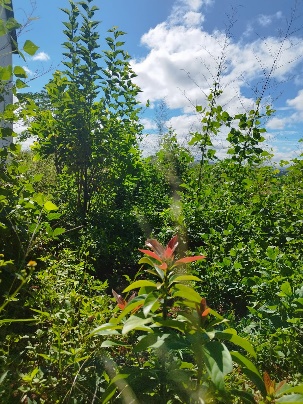
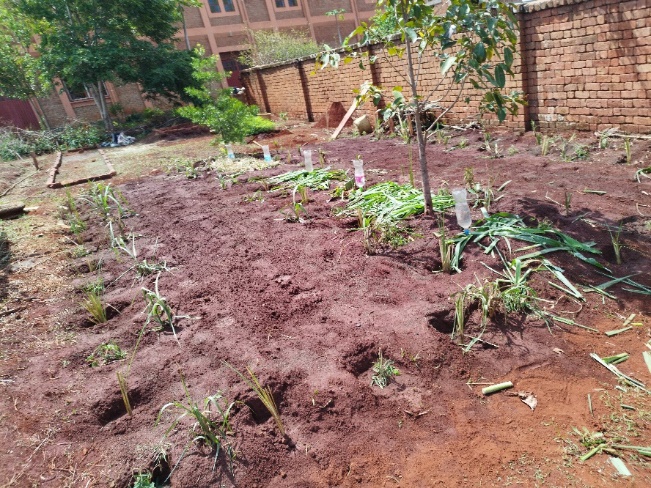
• Description: Under the collaboration with the UJA Center via its Environmental Club, we implemented a syntropic agroforestry system in Vontovorona in December 2024 to demonstrate the process of energy accumulation and gradual soil regeneration using locally available inputs. We planted nitrogen-fixing species first, combined with short- and mid-term shrubs and grasses to help feed the system. We also included vetiver grass (Chrysopogon zizanioides) to enhance soil vitality and structure. In less than one month, the system began showing signs of regeneration. After three months, it had “gone wild,” with the entire soil surface covered by living ground cover. It was only after one year that we began managing the system actively. Chop-and-drop techniques applied then led to a rapid growth response within just two months, demonstrating the system’s efficiency in nutrient cycling and biomass accumulation. Currently, regeneration is ongoing, and this site serves as a training ground for Unleashing Changemakers volunteers, illustrating the principles of soil regeneration and sustainable agroforestry.

Location
Vontovorona, Analamanga, Madagascar
Implementor
Tahiry Andriantsihoarana & Avotiana Razafiminomanana
Sustainable Agriculture · Prototype
Prototype 6
Visual comparison
Before
After
No after images available.
Description

• A member of the Think Tank was introduced to several species that can be used to regenerate soil and reduce dependence on external inputs, such as cow manure, which can be costly for non-livestock owners. After understanding the principles and learning from a small demonstration plot, he is now able to scale the system later in his countryside.

Location
Anjepy, Manjakandriana, Analamanga, Madagascar
Implementor
Tahiry Andriantsihoarana & Henintsoa Rasolonandrianina
Prototype preview